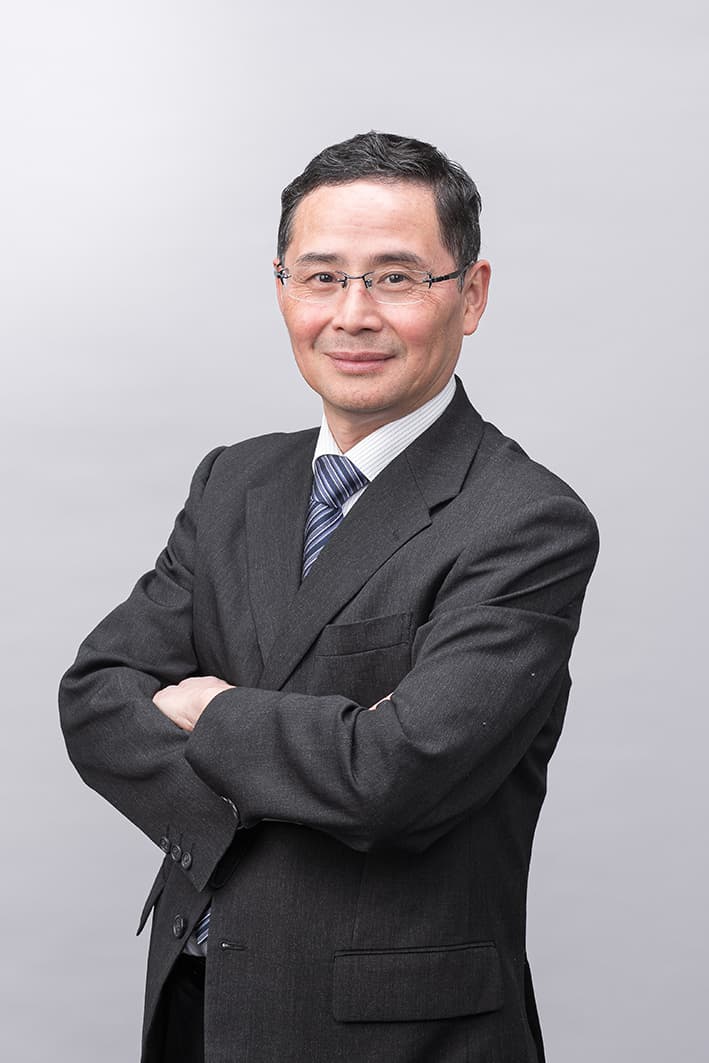
IMRAM, Tohoku University, Japan
Prof. Shu Yin is a distinguished inorganic materials chemist at the Institute of Multidisciplinary Research for Advanced Materials (IMRAM), Tohoku University, Japan. He earned his B.S. in inorganic chemical engineering from Dalian University of Technology in 1987, followed by an M.S. in chemical metallurgy from the Chinese Academy of Sciences in 1990. He subsequently joined the Institute of Chemical Metallurgy as a research associate, before moving to Japan for postdoctoral work (1992) in hydrothermal chemistry at Kochi University. From 1995 to 1997 he served as a research assistant in Prof. T. Sato’s group, Institute for Chemical Reaction Science (ICRS), Tohoku University. He obtained his Ph.D. in Applied Chemistry from Tohoku University in 1999. After completing his doctorate, Prof. Yin rose through academic ranks at IMRAM: lecturer, associate professor (2005), and full professor since April 2016. He is also affiliated with WPI‐AIMR as a collaborative professor since mid‐2022. His research spans synthesis and morphological control of nanostructured inorganic materials, photocatalysis, UV‐/IR‐shielding “smart window” materials, two‐dimensional gas‐sensing materials, hydrothermal/solvothermal and “soft” chemical methods. Prof. Yin has published hundreds of papers (many high‐impact), is inventor on multiple patents, and has been honored with several awards including the Harada Award, awards from the Ceramics Society of Japan and Rare Earth Resource Utilization Awards among others.
View Google Scholar Profile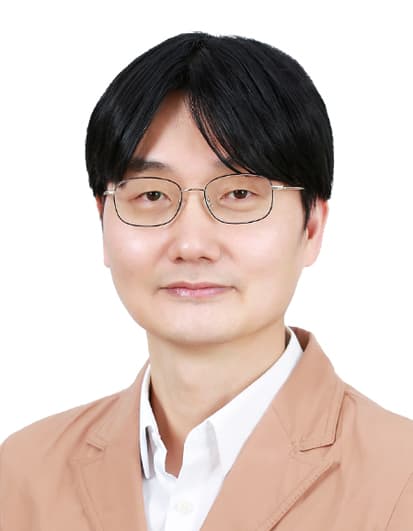
Department of Materials Science and Engineering at Seoul National University, South Korea
Tae-Woo Lee is a professor in the Department of Materials Science and Engineering at Seoul National University, Korea. He received his Ph.D. in Chemical Engineering from KAIST in 2002 and conducted postdoctoral research at Bell Laboratories, Lucent Technologies, USA. He later worked at Samsung Advanced Institute of Technology and served as a faculty member at POSTECH until 2016. His research focuses on organic semiconductors, metal halide perovskites, and carbon-based materials for applications in displays, bioelectronics, neuromorphic devices, and energy conversion systems. He has published over 310 peer-reviewed papers in top-tier journals such as Science, Nature, Nature Photonics, Nature Nanotechnology, and Advanced Materials. He is also the inventor or co-inventor of more than 440 patents. Prof. Lee has received numerous honors, including the Merck Award, the Korea Young Scientist Award (Presidential Award), the Korean Engineering Award, and the Kyung-Ahm Prize. He was named a Fellow of the Korean Academy of Science and Technology in 2021, a Fellow of the Materials Research Society in 2020, and a Fellow of SPIE in 2024. He currently serves on the editorial boards of several journals, including Advanced Materials, EcoMat, Chem & Bio Engineering, and Organic Electronics.
View Google Scholar Profile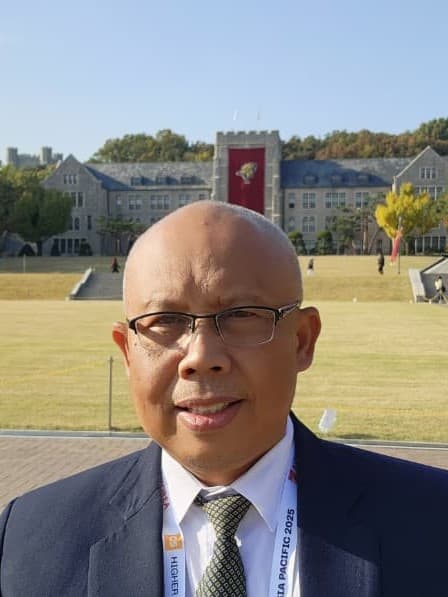
Universitas Gadjah Mada, Indonesia
Prof. Dr. Kuwat Triyana is a prominent Indonesian physicist, inventor, and innovation leader at the Department of Physics, Faculty of Mathematics and Natural Sciences (FMIPA), Universitas Gadjah Mada (UGM). He earned his Bachelor’s degree in Physics from UGM (1986–1991), a Master’s degree from Institut Teknologi Bandung (1995–1997), and a Ph.D. from Kyushu University, Japan (2001–2004). Over the course of his academic career at UGM, Prof. Triyana has built strong expertise in materials physics, instrumentation, and advanced sensor technologies. His research focuses on electronic noses (e-noses), electronic tongues (e-tongues), AI-assisted sensor systems, nanofibers, and smart sensing platforms. His work bridges fundamental science, applied engineering, and real-world innovation, with major applications in medical diagnostics, food safety, and environmental monitoring. He is widely recognized for leading the development of GeNose C19, a rapid COVID-19 screening device based on exhaled breath analysis that delivers results in under two minutes. During the COVID-19 pandemic, GeNose C19 was mass-produced, commercialized, and deployed nationally across hospitals, public transportation hubs, campuses, and industrial settings in Indonesia.
View Google Scholar Profile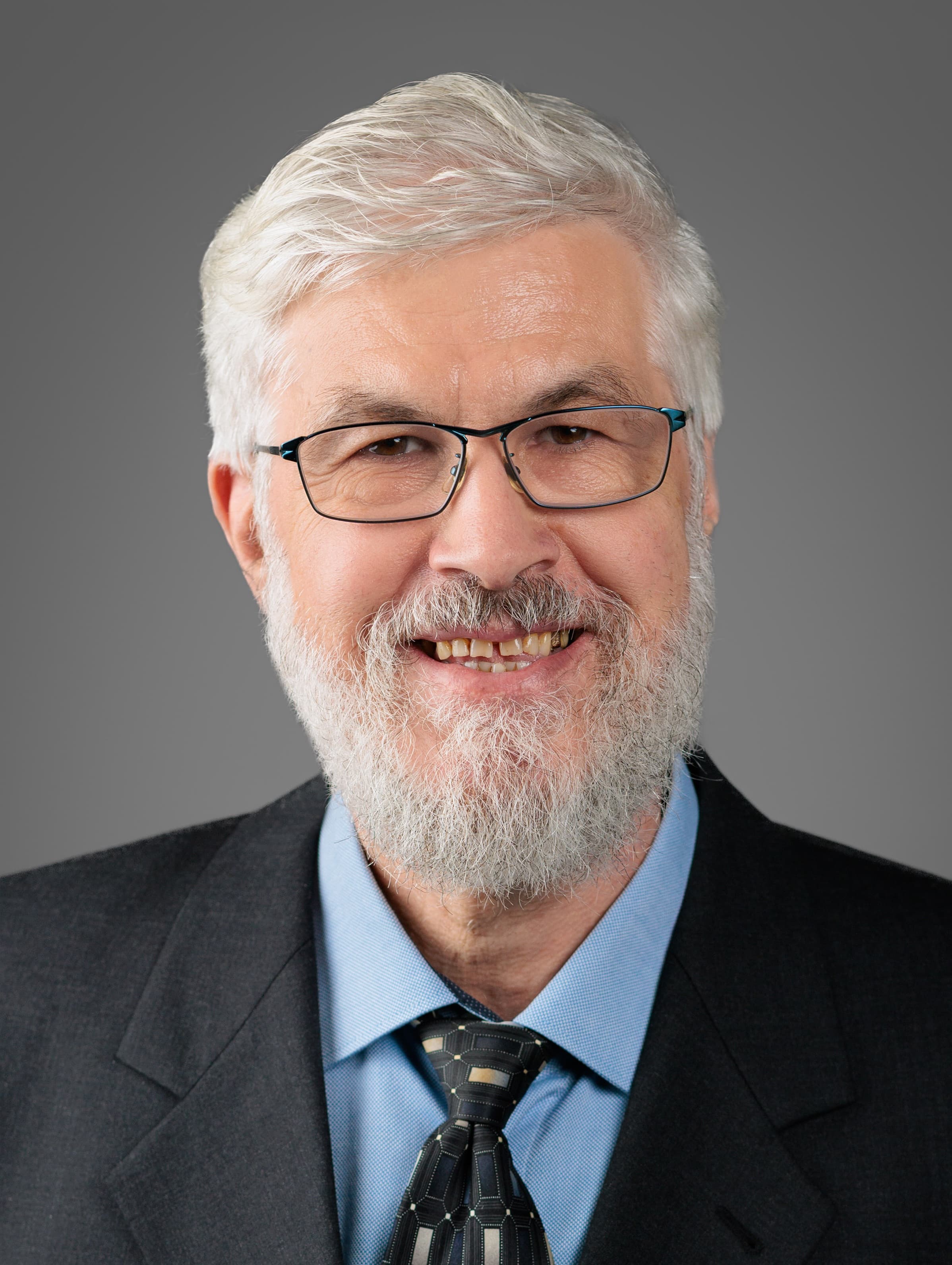
National University of Singapore, Singapore
After his Ph.D. from Saarbrücken / Germany, Stefan Adams worked at the Max-Planck Institute for Solid State Research in Stuttgart and habilitated from Göttingen University before joining National University of Singapore in 2005, where he is Assoc. Professor for Materials Science and Engineering. There, his research focuses on the rational design of inorganic materials and interfaces with optimal transport properties for advanced energy storage and conversion devices. To this end his group combines electrochemical, diffraction and NMR experiments with high-throughput computational design. The electrolytes designed in the group are also integrated into high energy density solid state batteries by a start-up company cofounded by him. Adams also serves as Vice-President of the Materials Research Society of Singapore, has been Secretary of the Asian Society for Solid State Ionics and is member of the editorial boards of several related journals including Solid State Ionics, Int. Journal for Ionics and Batteries.
View Google Scholar Profile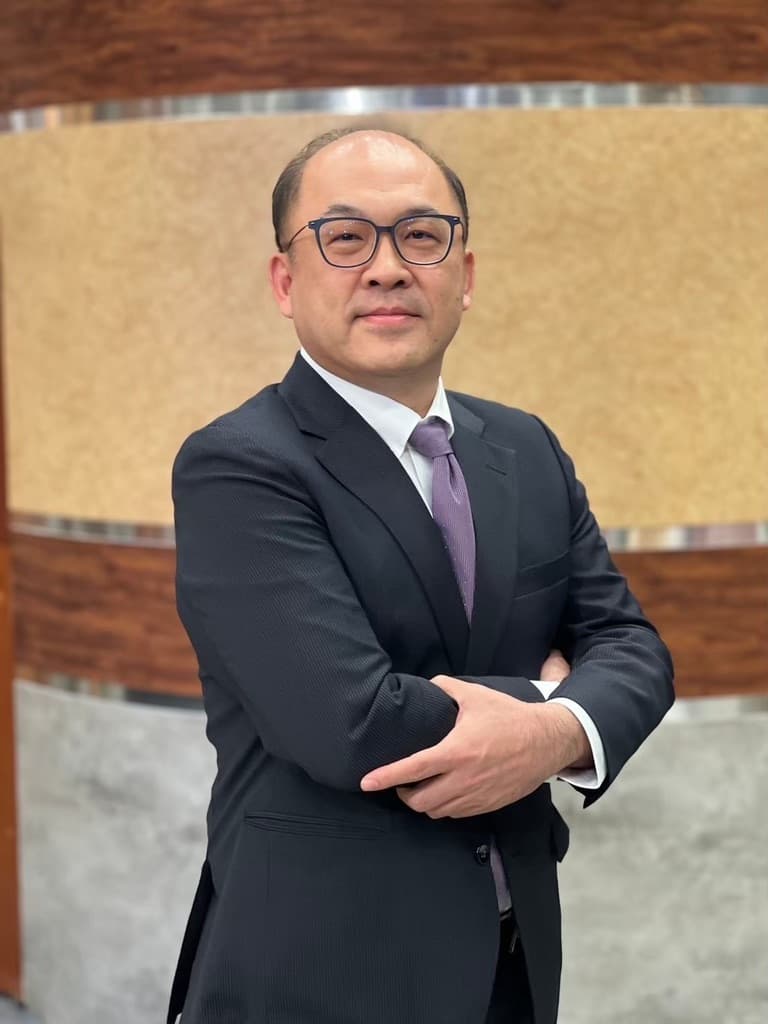
National Taipei University of Technology, Taiwan
Dr. Hsu-Wei Fang, professor of chemical engineering and biotechnology at National Taipei University of Technology. He is also a joint appointed researcher at National Health Research Institutes of Taiwan. Prof. Fang's research interests and expertise are biotribology and biomaterials. Prof. Fang has many experience in executing big projects, including Technology Development Program for Academia (Ministy of Economic Affairs), Taiwan Germination Program (National Science and Technology Council), The Academia-Industry Research Center Program (National Science and Technology Council), and The Featured Areas Research Center Program (Ministry of Education). Prof. Fang not only obtained finicial support by government agencies, but also developed several noval technologies and spinned-off two companies. He is dedicated to the rapid commercialization of medical devices and building up the ecosystem of the innovative biotechnologies. He is the founder of Biotegy corporation and the co-founder of the CK seed angel fund. Prof. Fang is focusing on market-demand oriented research activities. By further integration of research institutes, manufacturers, and market distributers, the rapid commercialization of innovative smart medical devices is anticipated, thereby improving the competitiveness of Taiwanese biomedical industries.
View Google Scholar Profile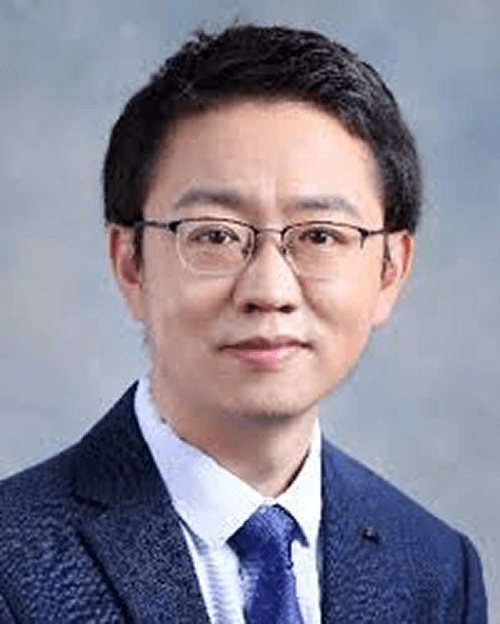
University of Science and Technology Beijing (USTB), Beijing
Prof. Qipeng Lu is a Professor in the School of Materials Science and Engineering at the University of Science and Technology Beijing (USTB), where he also serves as Head of the Department of Inorganic Non-metallic Materials. Born in 1986 in Shanxi Province, China, he is a selectee of China's National Major Talent Program (Youth Project). He received his bachelor's degree in bioengineering from Taiyuan University of Technology (2004–2008). He then completed a master's degree in materials physics and chemistry (2008–2010) and a Ph.D. in optical engineering (2010–2014) at Beijing Jiaotong University, both under Prof. Yanbing Hou. From 2011 to 2013 he undertook joint doctoral training in materials chemistry at the University of California, Riverside, supervised by Prof. Yadong Yin. He subsequently worked as a postdoctoral research fellow in materials science and engineering at Nanyang Technological University, Singapore (2014–2018), in the group of Prof. Hua Zhang. In December 2018 he joined USTB as a Professor. Aligned with China's dual-carbon strategy, his research centers on the rational design, precise synthesis, and performance tuning of catalytic materials and efficient energy-conversion devices, with emphasis on 2D materials, noble metals, intermetallic compounds, and nanomaterials for photo-, electro-, and chemical energy conversion. He has published over 117 SCI papers, including 17 ESI Highly Cited papers, with 50+ first/corresponding-author works in journals such as Nature Chemistry, Nature Communications, Advanced Materials, and Angewandte Chemie. His honors include the Beijing Science and Technology Rising Star and Xiaomi Young Scholar awards. He serves on the editorial boards of several journals, including Chinese Chemical Letters, SmartMat, and IJMMM.
View Google Scholar Profile
Sungkyunkwan University, South Korea
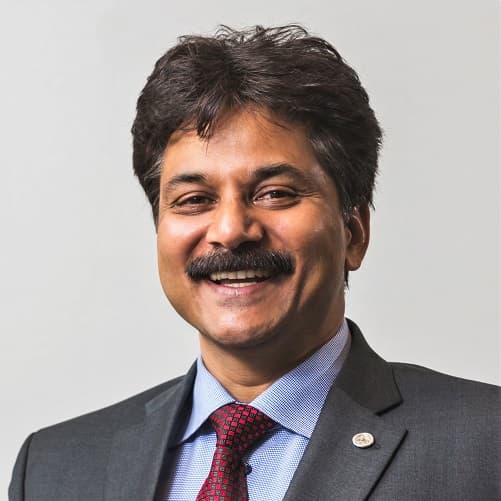
University of Cologne, Germany
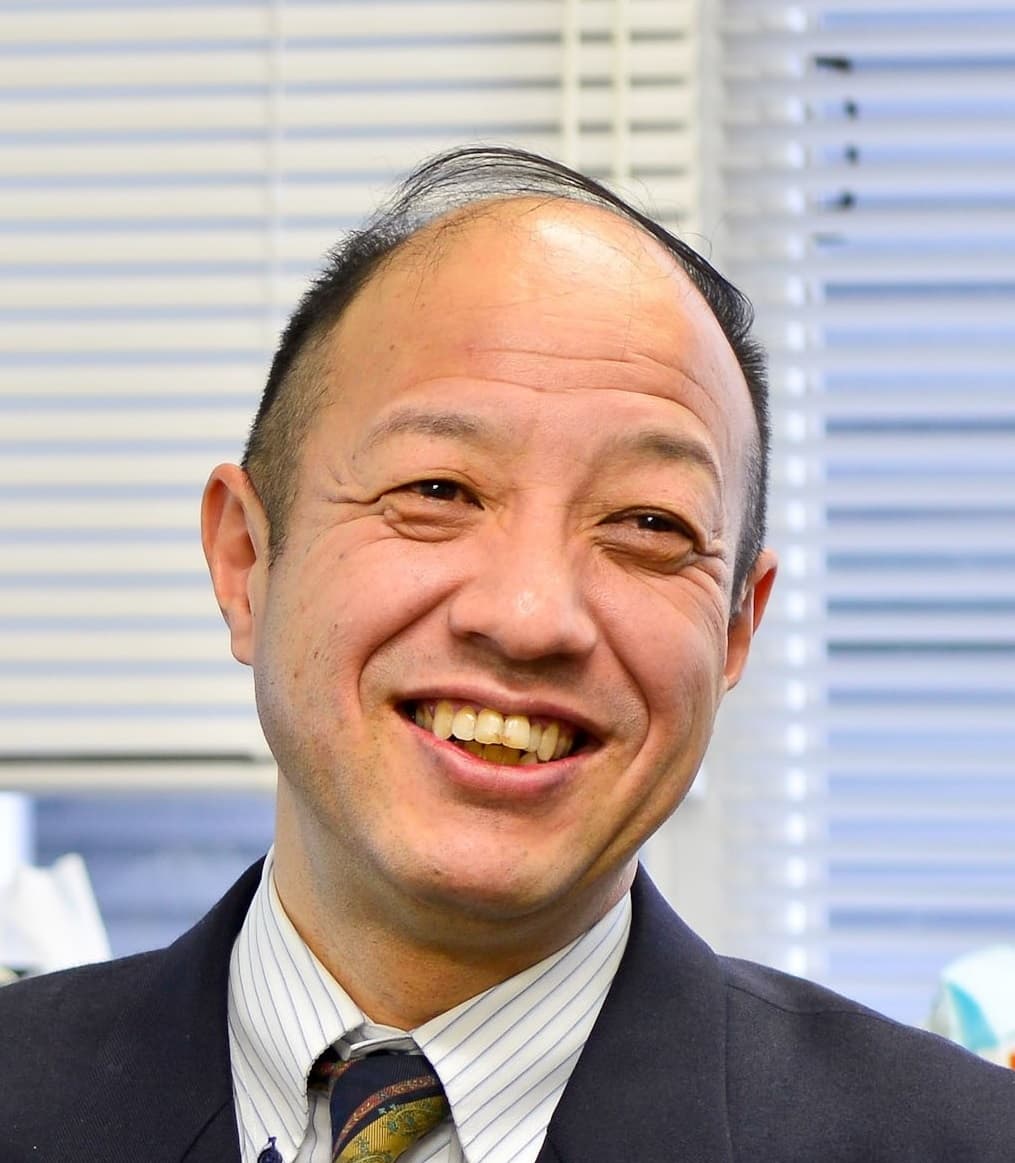
Osaka University, Japan
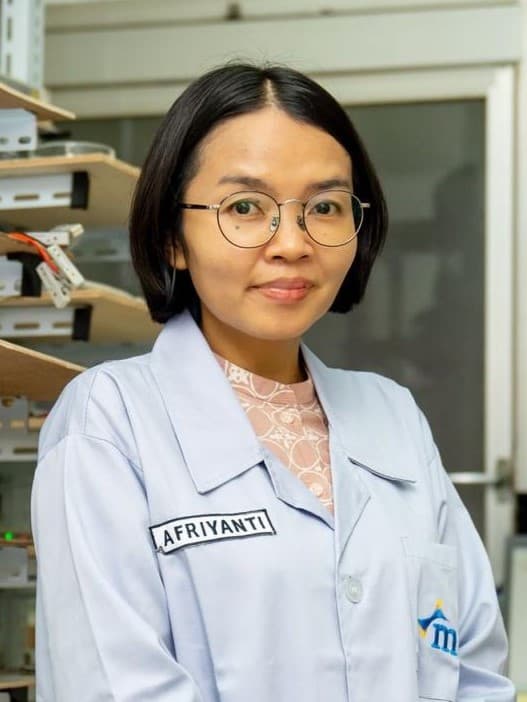
Institut Teknologi Bandung, Indonesia
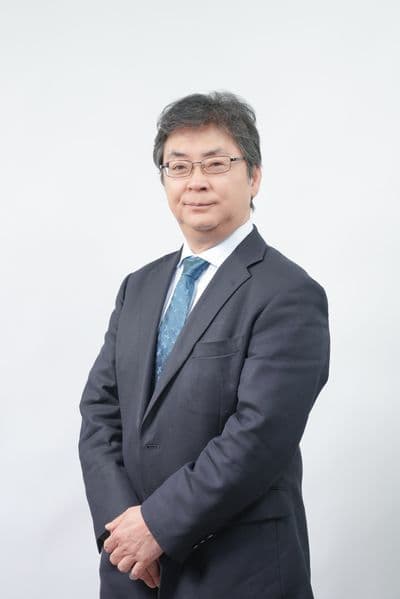
Osaka University, Japan
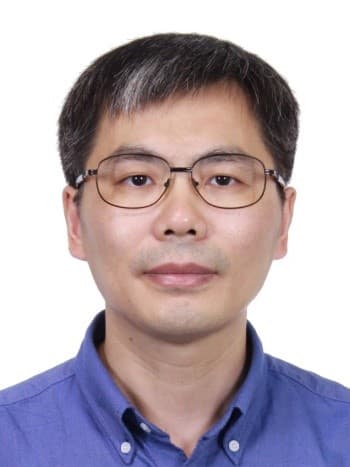
University Science and Technology Beijing, China
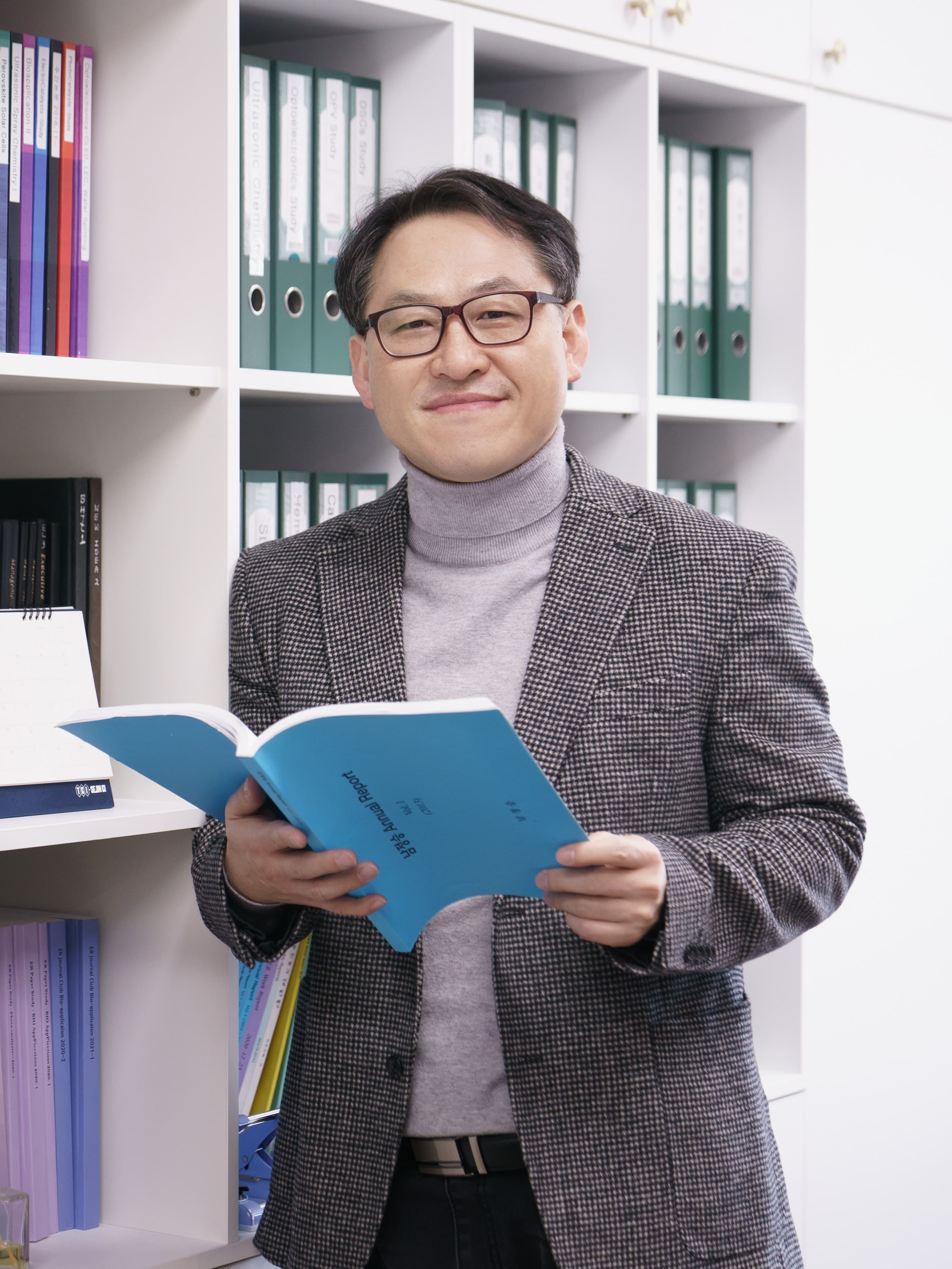
Ulsan National Institute of Science and Technology (UNIST), South Korea
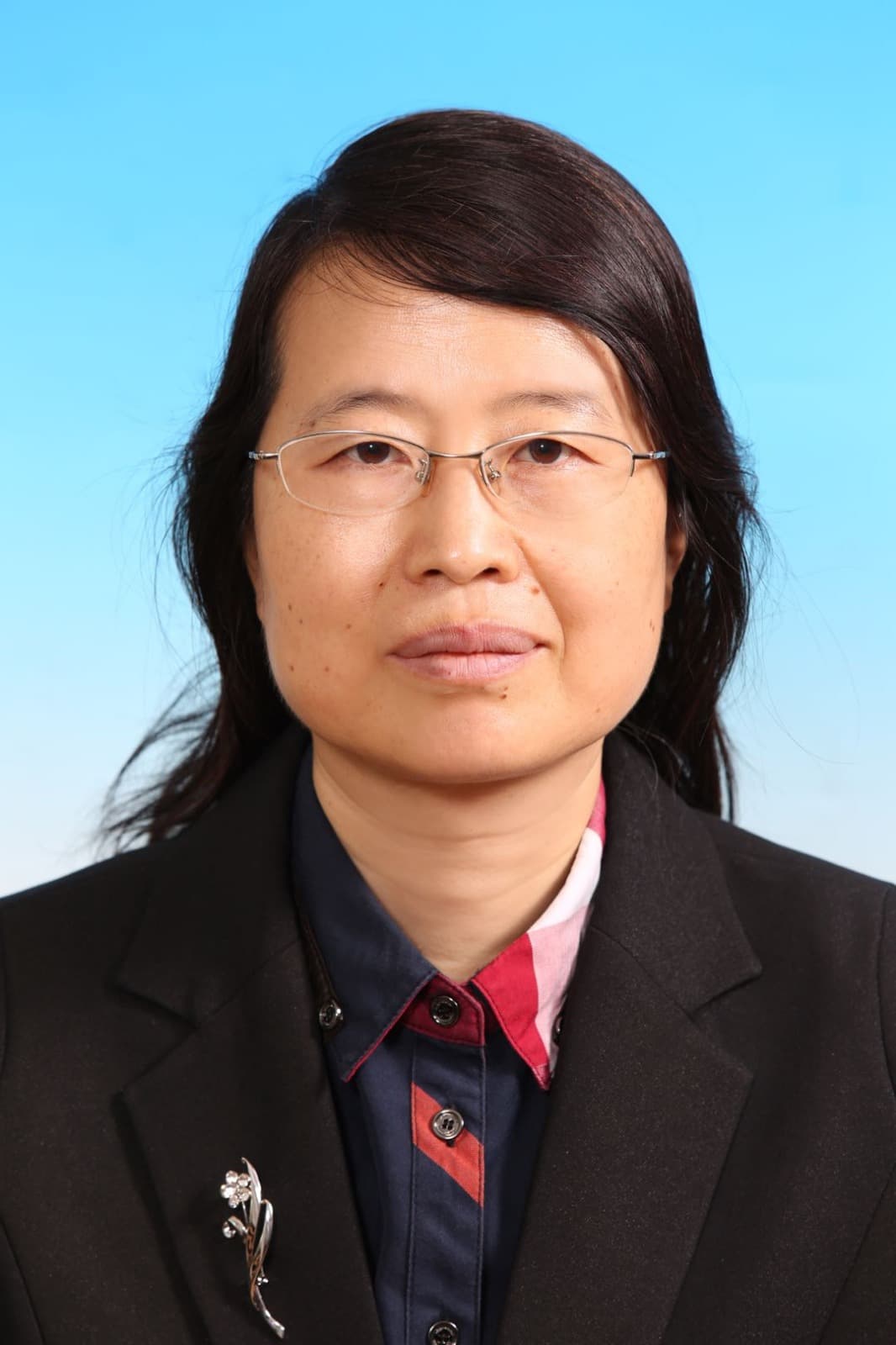
Beijing University of Technology, China
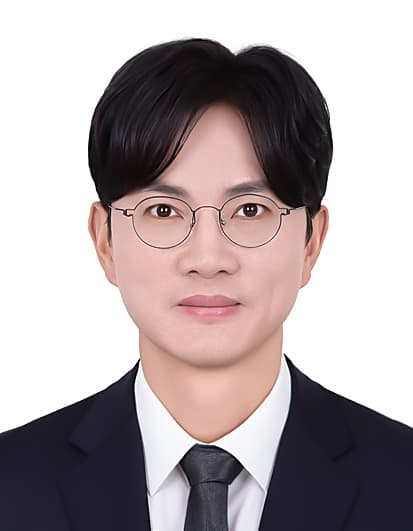
Daegu Gyeongbuk Institute of Science and Technology (DGIST), South Korea
*in confirmation